
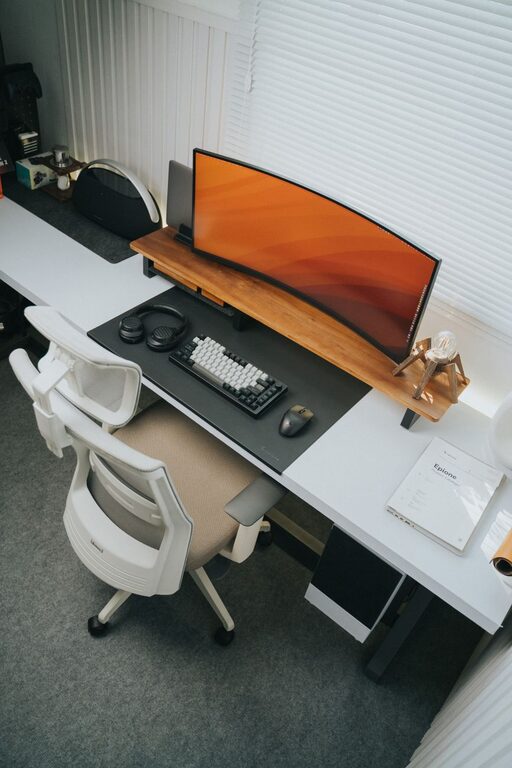
Creating a well-organized home workspace is key to maintaining focus, reducing stress, and enhancing productivity. Whether you’re working remotely full-time or just need a dedicated spot for occasional tasks, an efficient workspace can make a big difference. In this post, we’ll explore practical tips to help you organize a clutter-free and efficient home workspace that suits your needs.
Why an Organized Workspace Matters
A cluttered environment can distract you, slow down task completion, and even impact your mood. By keeping your workspace tidy and organized, you create a calm, inviting area that encourages clear thinking and effective work habits.
—
Step 1: Choose the Right Location
Selecting the right spot for your home workspace sets the foundation for success.
– Quiet and low-traffic area: Choose a place with minimal distractions to help you focus.
– Natural light: If possible, position your desk near a window. Natural light boosts mood and reduces eye strain.
– Adequate space: Make sure you have enough room for your essential equipment and some extra space for notes or materials.
—
Step 2: Declutter Regularly
Keeping clutter at bay is essential for an efficient workspace.
– Limit items on your desk: Keep only the essentials, like your computer, notebook, and a pen.
– Use storage solutions: Incorporate drawers, shelves, or bins to store supplies and documents.
– Schedule weekly cleanups: Dedicate a few minutes each week to tidy your area and remove unnecessary items.
—
Step 3: Invest in Functional Furniture
The right furniture supports comfort and efficiency.
– Ergonomic chair: Choose a chair that supports your back and encourages good posture.
– Adjustable desk: Consider a desk that can be adjusted for sitting or standing to vary your posture.
– Desk with storage: Furniture that includes built-in storage helps keep your workspace neat.
—
Step 4: Organize Your Supplies Efficiently
How you arrange your supplies affects how smoothly your workday flows.
– Desktop organizers: Use trays, pen holders, or small baskets to keep frequently used items within reach.
– Label storage: Label bins or drawers so you can easily find what you need.
– Cable management: Use cable clips, ties, or covers to keep cords organized and out of sight.
—
Step 5: Utilize Digital Tools
Going digital can help reduce physical clutter.
– Paperless workflow: Scan important papers and store them digitally.
– Task management apps: Use apps or calendars to track tasks and deadlines instead of sticky notes.
– Cloud storage: Keep files accessible and organized with cloud services like Google Drive or Dropbox.
—
Step 6: Personalize Your Space Mindfully
Adding personal touches makes your workspace inviting but should not create clutter.
– Choose a few decor items: A plant, photo, or piece of art can brighten your workspace.
– Avoid excess knickknacks: Too many items can distract more than they inspire.
– Use color strategically: Soft or neutral tones help maintain a calm atmosphere.
—
Step 7: Maintain Good Lighting and Air Quality
Comfort plays a big role in maintaining focus and well-being.
– Task lighting: Invest in a desk lamp with adjustable brightness.
– Natural air: Open windows or use an air purifier to keep air fresh.
– Avoid glare: Position screens to minimize reflections and glare from windows or lights.
—
Bonus Tips for Staying Productive
– Set a daily routine: Have clear work hours to encourage discipline and balance.
– Take breaks: Regular breaks prevent burnout and boost creativity.
– Keep snacks and water nearby: Staying hydrated and nourished helps maintain energy.
—
Final Thoughts
Organizing a clutter-free and efficient home workspace doesn’t have to be overwhelming. Start small by decluttering your desk and gradually introduce storage solutions and organizational habits. Creating a designated, comfortable area dedicated to work can improve both your productivity and your overall work-from-home experience. Remember, consistency is key. With these tips, you’ll be on your way to a workspace that supports your goals every day.